


Home » Knowledge and flavors of Gallura and Bortigiadas
Knowledge and flavors of Gallura and Bortigiadas
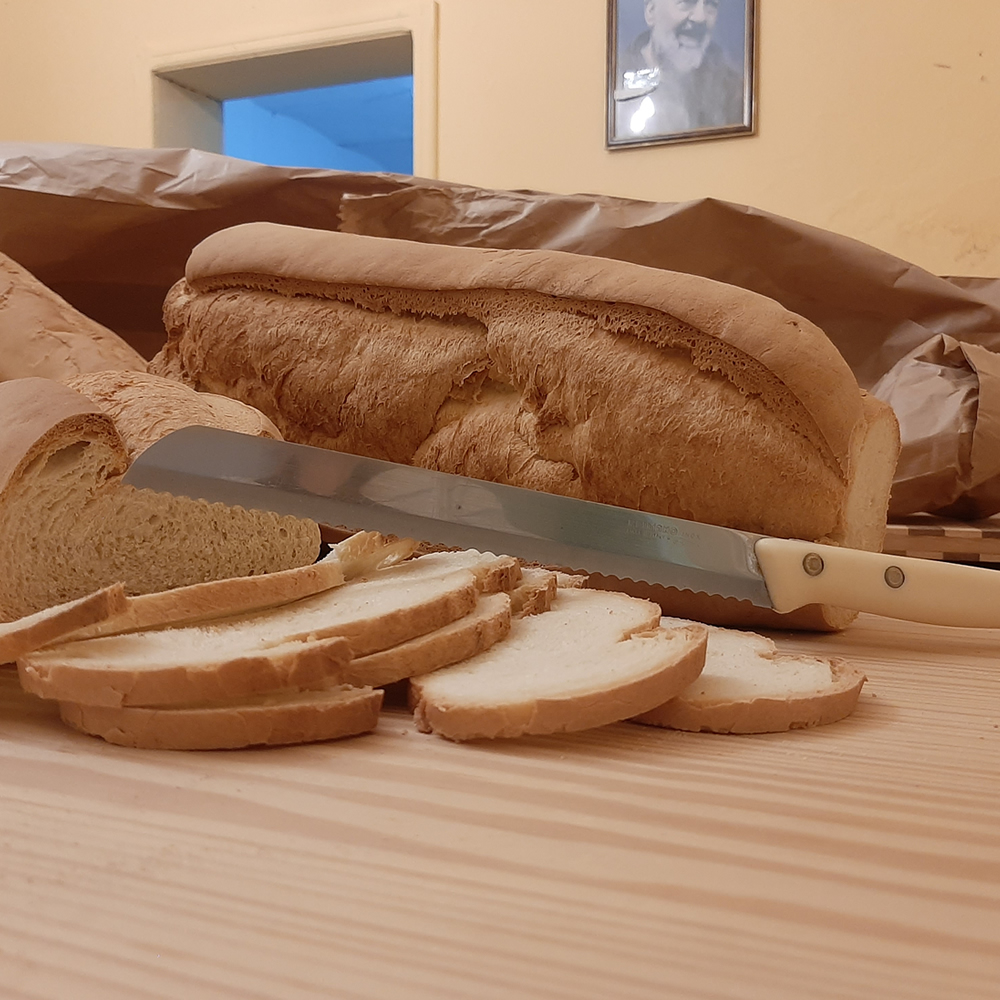
Bread, cheese, honey: three typical products of Gallurese families of the past, emblems of sustainability and a balanced relationship with nature. But also wild herbs, consumed cooked or raw, and spring water. Bread was prepared at home with soft wheat flour, tricu cossu, and durum wheat flour, tricu saldu.
Often cultivated in small plots, the wheat grains were ground in village mills or water mills. Women took care of bread-making and the bakers baked in ovens shared equally with the owner. The stories of food were thus intertwined with those of the social life of the villages in a continuous exchange of meanings. Cheese was also part of daily life, and in this case too, it was the women who took care of its production.
It was not uncommon for men taking livestock to pasture to find beehives, and then the swarm would be transferred into the cork hive that held this prized substance, later consumed with fresh ricotta. Wine was part of the traditional crops that, together with seasonal vegetables, legumes, fruit trees, and the production of fine oils, such as mastic oil, from the evergreen shrub, used for frying fritters, could not be missing from the Gallurese table.
The diet varied according to seasons and occasions; every moment of the year had its own flavor and knowledge. There is no lack of evidence of material culture linked to food production; some leave clear traces, others only the echo of memories.
Lentisk oil
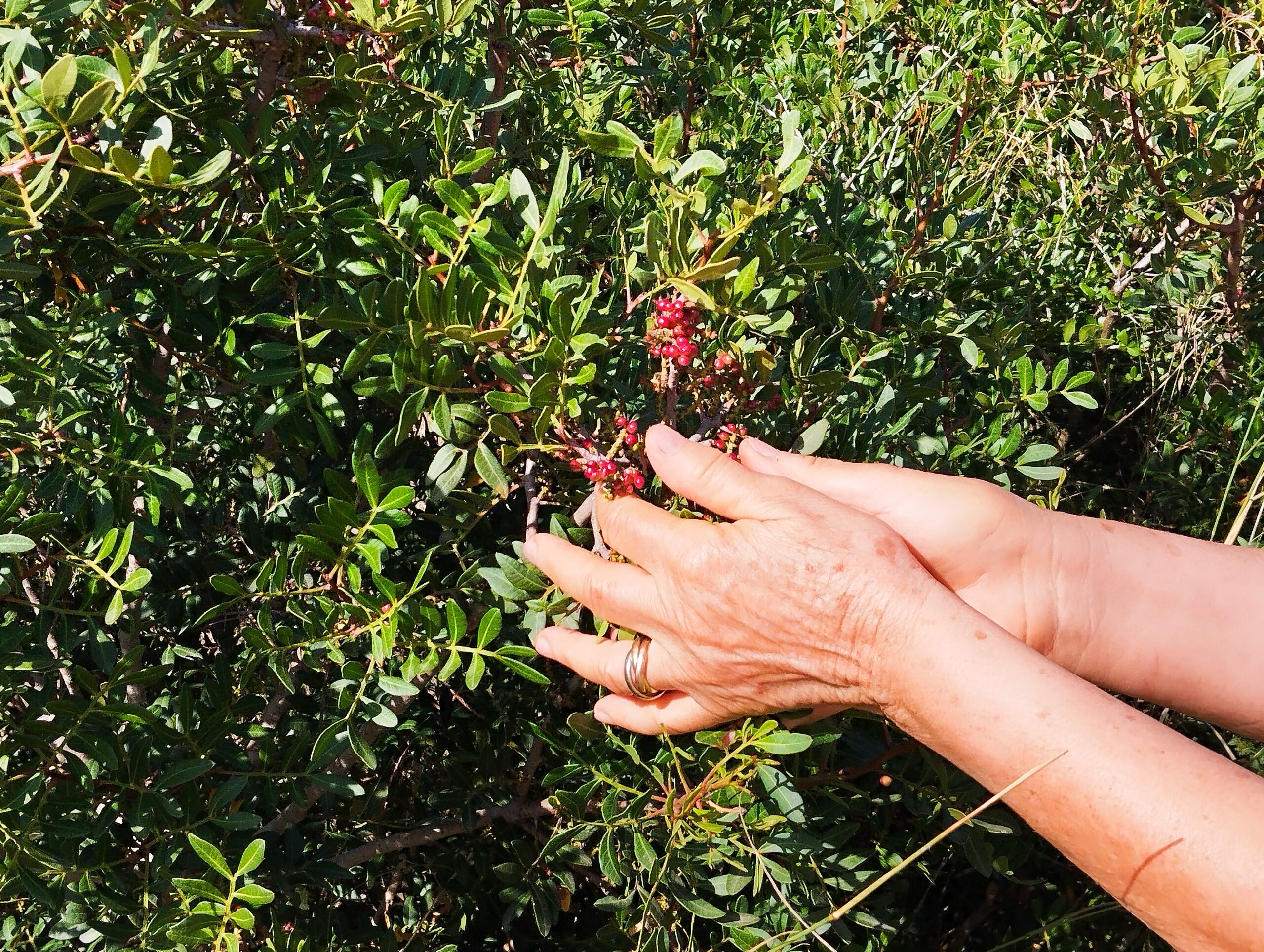
“And instead there was another type of oil that was more common, which was lentisk oil. Lentisk oil came from the mastic shrub, and they would go to pick it. When the lentisk oil had the small berries (drupes), well, they would go to pick them. They would bring a basket, tie it around their neck, and then with their hands, they would pick, and these berries would fall into these (baskets).
When they had gathered enough, they would boil this fruit, put it inside a small sack, and then they would press it with a kind of mallet, or pole, they called it, a big, heavy stick. Then, after they had pressed it and all the juice had come out, they would boil it, and when they boiled it, the oil would rise to the surface. They would take this oil, separate it from the other liquid, boil it again, and it would become beautifully clear.
And so they had obtained the lentisk oil, which was marvelous with fritters.”
Mazza Frissa
Source: Domenica Uscidda (1937), Bortigiadas
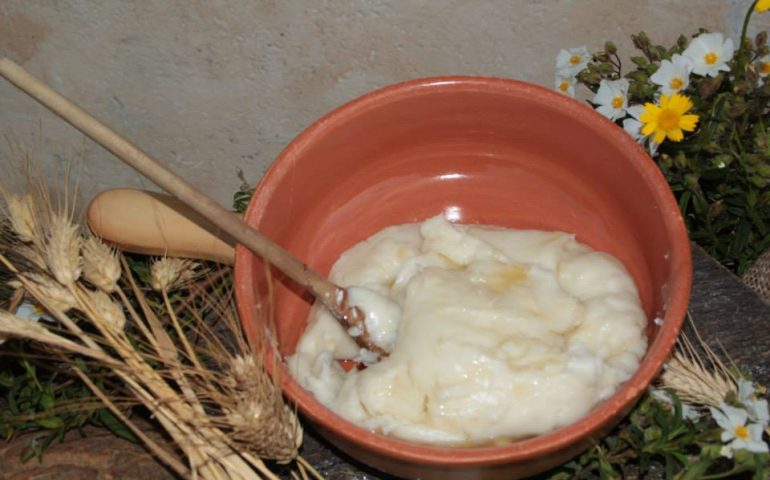
Cream collected from milk over many days, then put on the fire in a pan, preferably earthenware, they called it the soup bowl, a little salt was added, flour, and it was left like that for a while to extract the cheese oil which was used for cooking and frying.
They made the sauce with cheese oil and also fried potatoes (with cheese oil).
Milk cream was put on the fire in a pan, preferably earthenware, called the soup bowl, a little salt was added, flour, and it was left to cook a bit so that the oil, called cheese oil, would come out of the cream, which was also used for frying (potatoes) and making sauce (bangia).
Gallurese soup
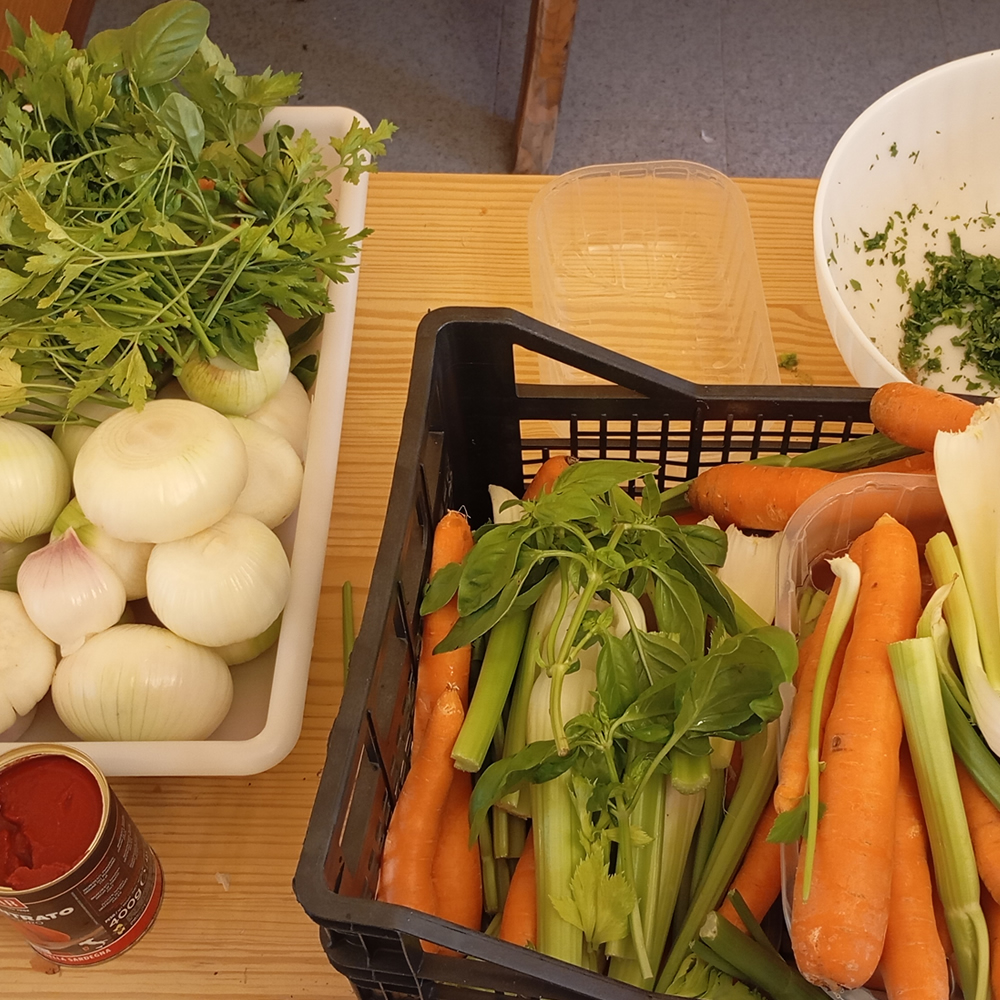
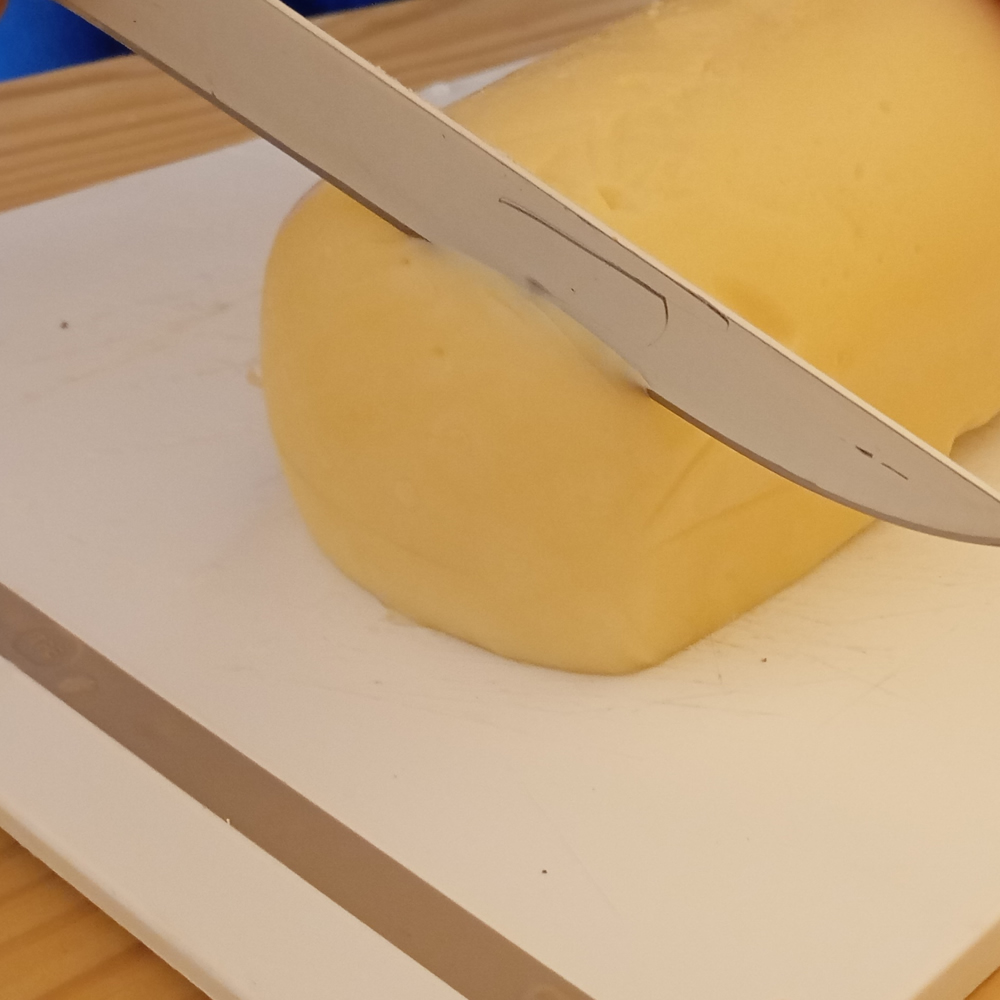
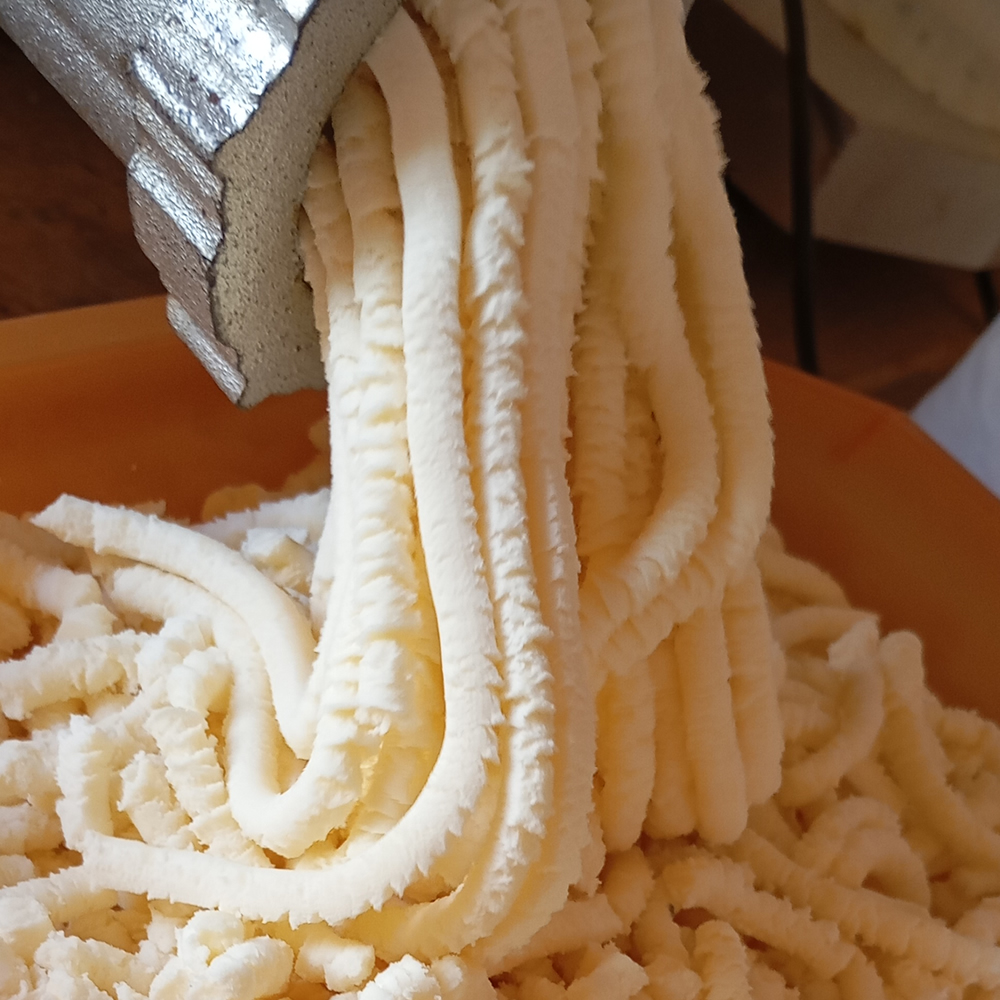
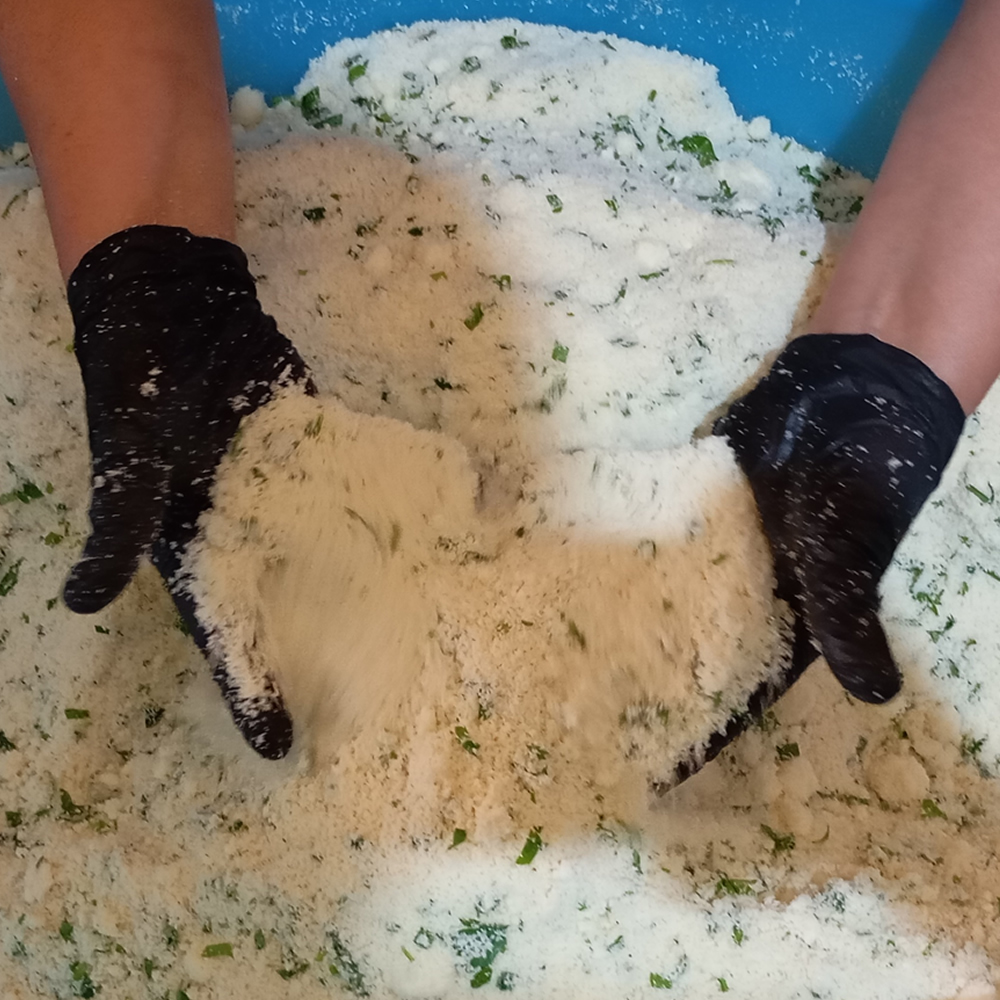
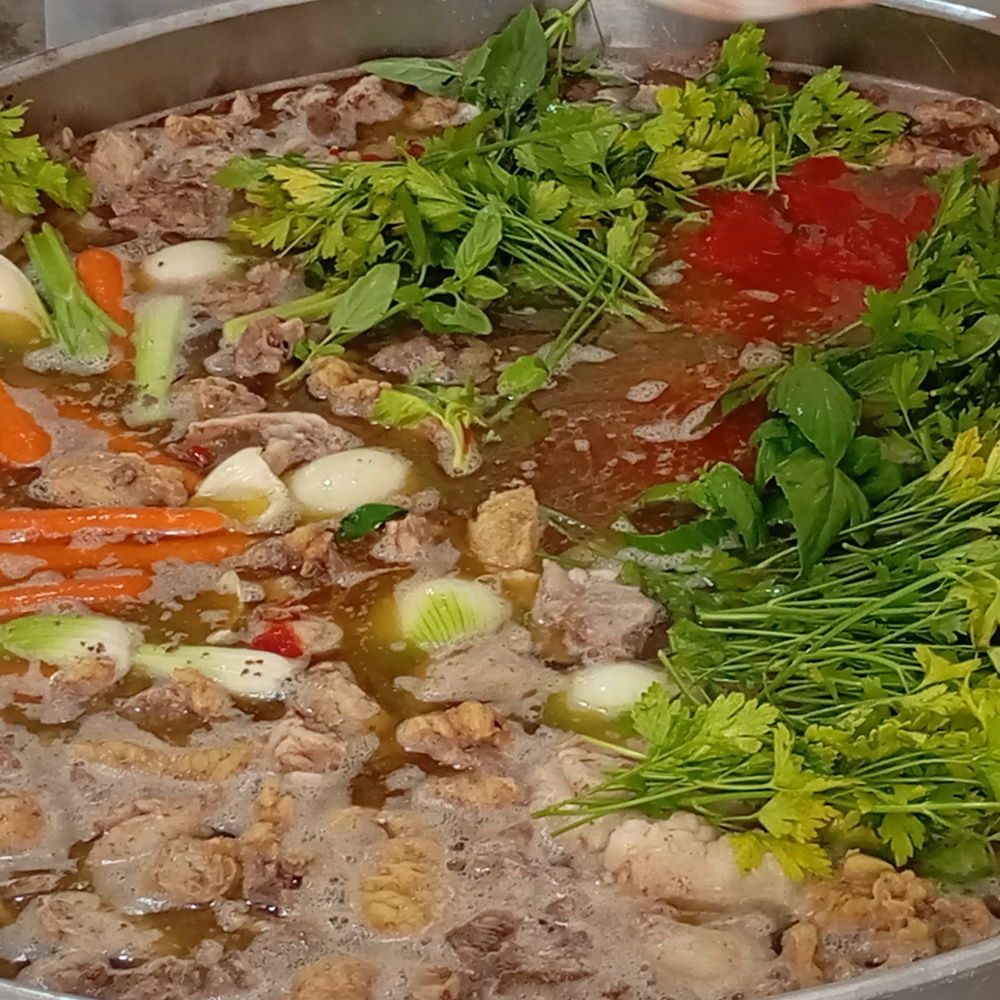
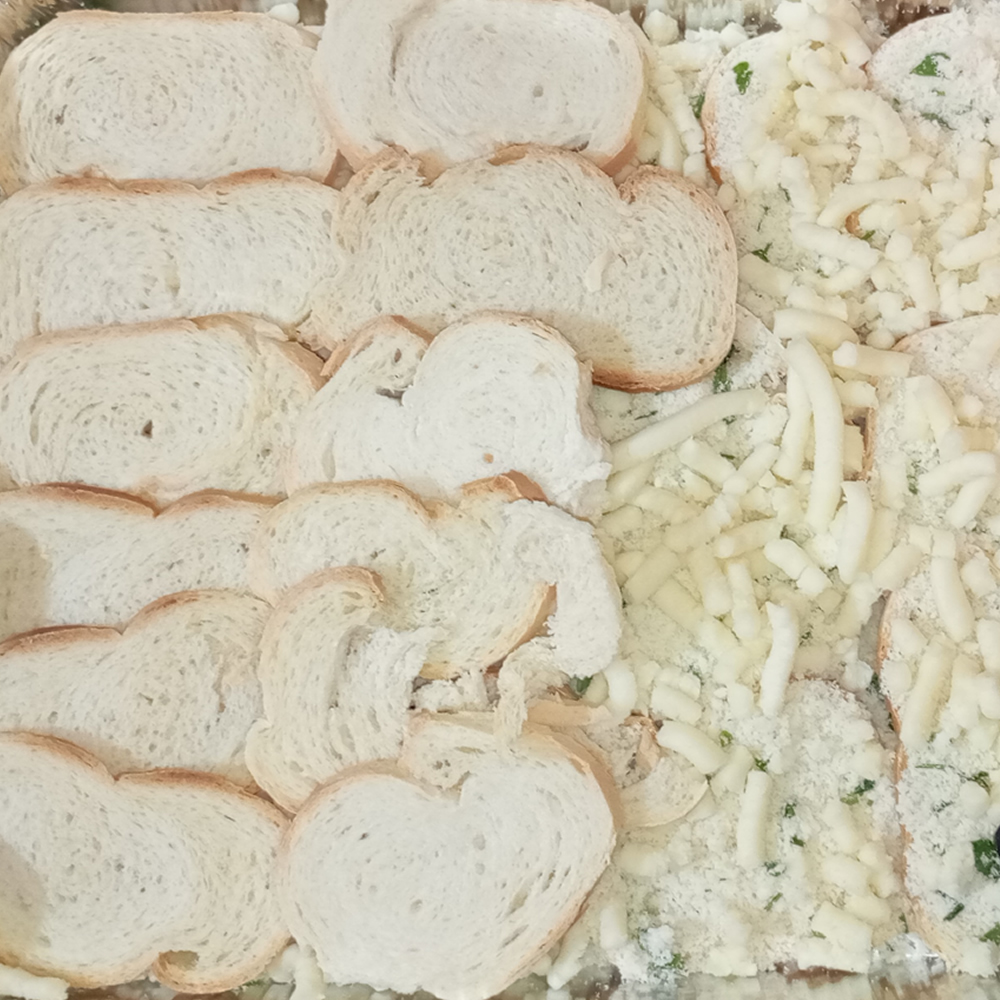
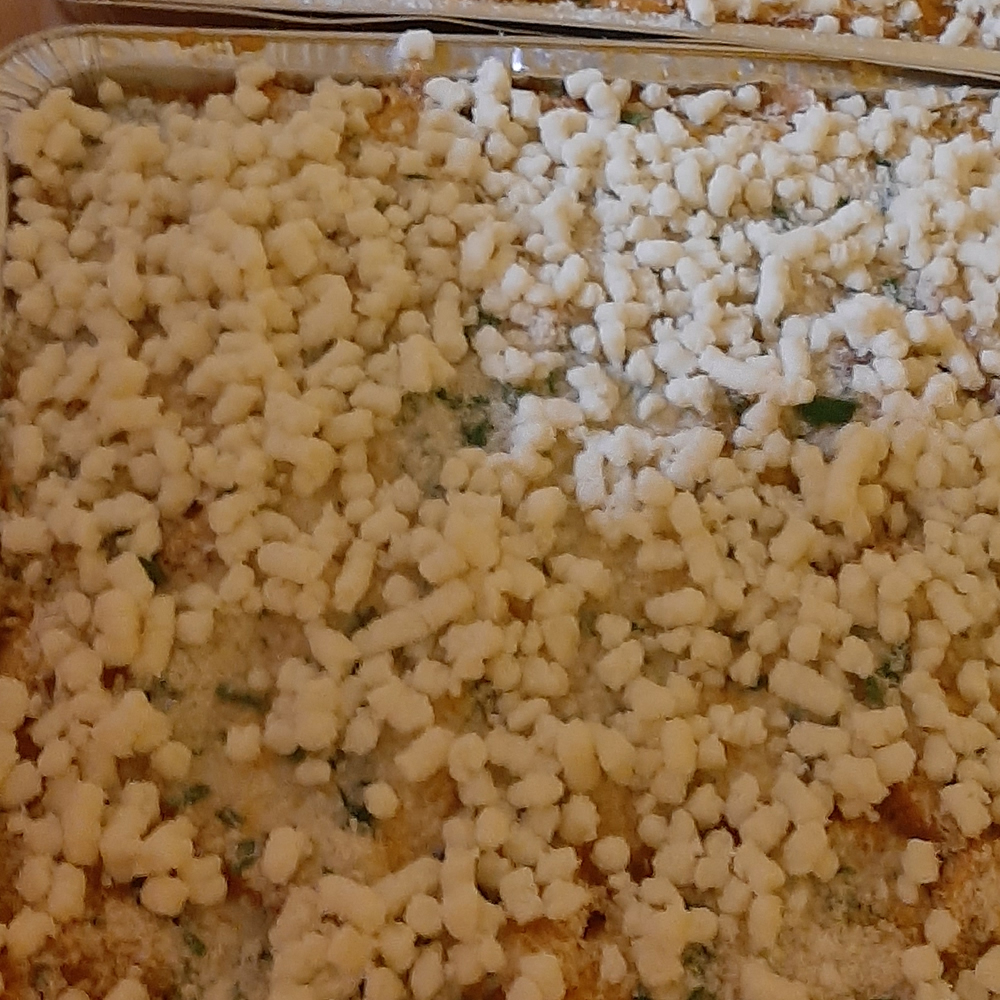
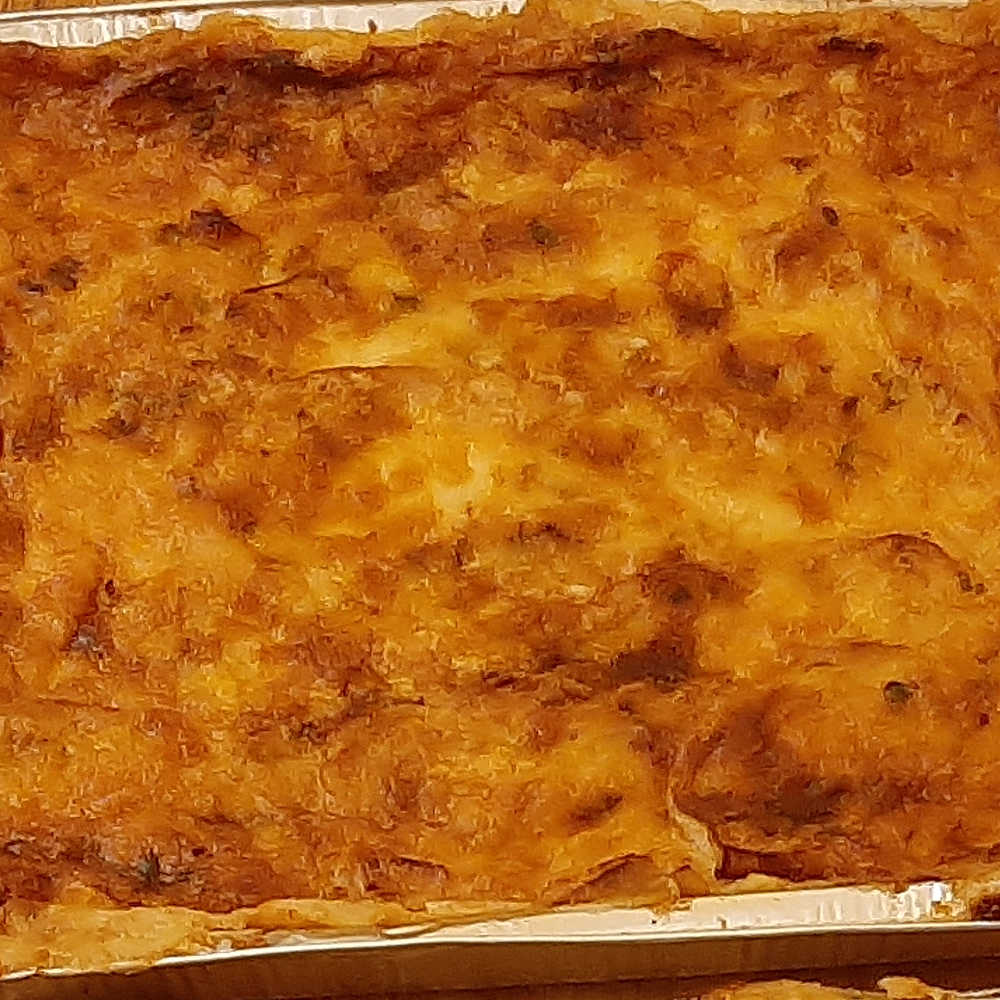
Gallurese soup is a typical dish from Gallura made with dry bread (spianata or durum wheat bread cut into slices), meat broth, cheese, and “ghisatu,” a kind of meat sauce, like stew, that accompanies the soup. The broth is made with bones and pieces of pork, sheep, or veal meat, vegetables, parsley (the stems, the leaves are chopped to be mixed with the grated cheese that will be used to season the layers of bread), along with peretta, panedda or cungedda (fresh cow’s milk cheese), spices (black pepper, chili, mint, suk, …), tomato puree, peeled tomatoes or tomato paste.
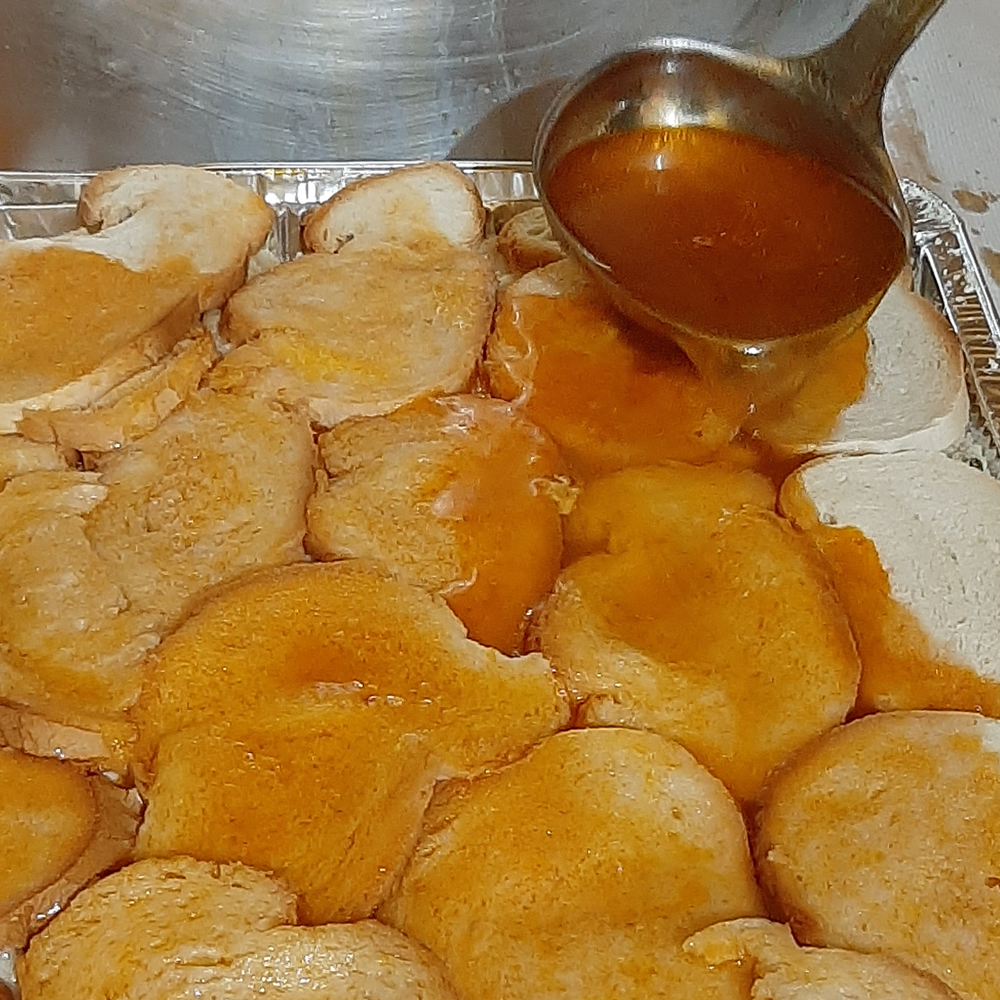
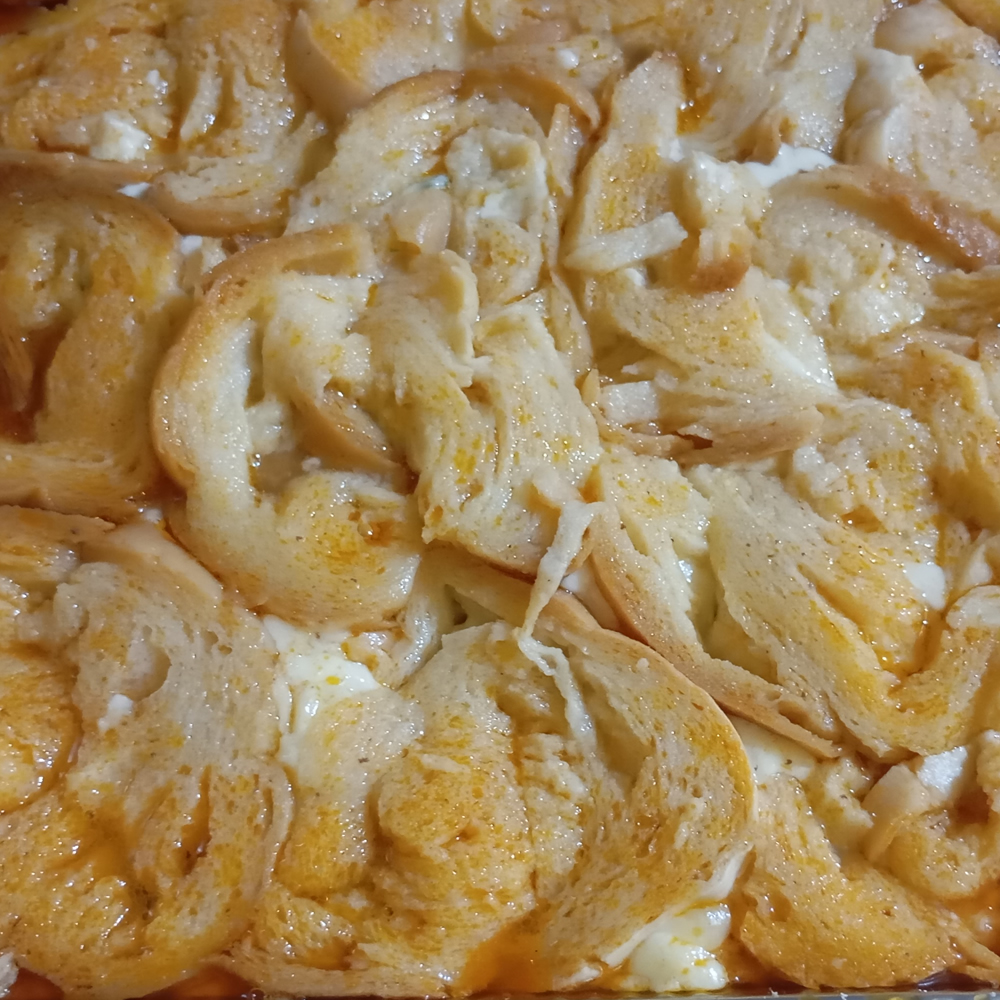
The broth is prepared in large pots, “caldari,” as is “lu ghisatu.” A skimmer is then used to remove the fattiest part of the broth. The pots are greased with lard, olive oil, or butter, and then the bread is arranged in layers, without pressing the sheets or slices of bread together. The first two layers are not seasoned, then grated and fresh cheese is added layer by layer until “li caldari” are filled. Once the base is ready, the broth is poured into the pot with the bread, using a wooden skewer to allow the broth to penetrate between the layers of bread, piercing and lifting the bread layers as the broth is added. The pot is then placed on the flame and rotated clockwise by the cook “lu cuzineri,” with quick movements.
In the past, a lid was used, and embers were also placed on top of it. More recently, the soup is also cooked in the oven, without ghisatu, forming a cheese crust on the surface.
Snow Balls / Gallurese Cream
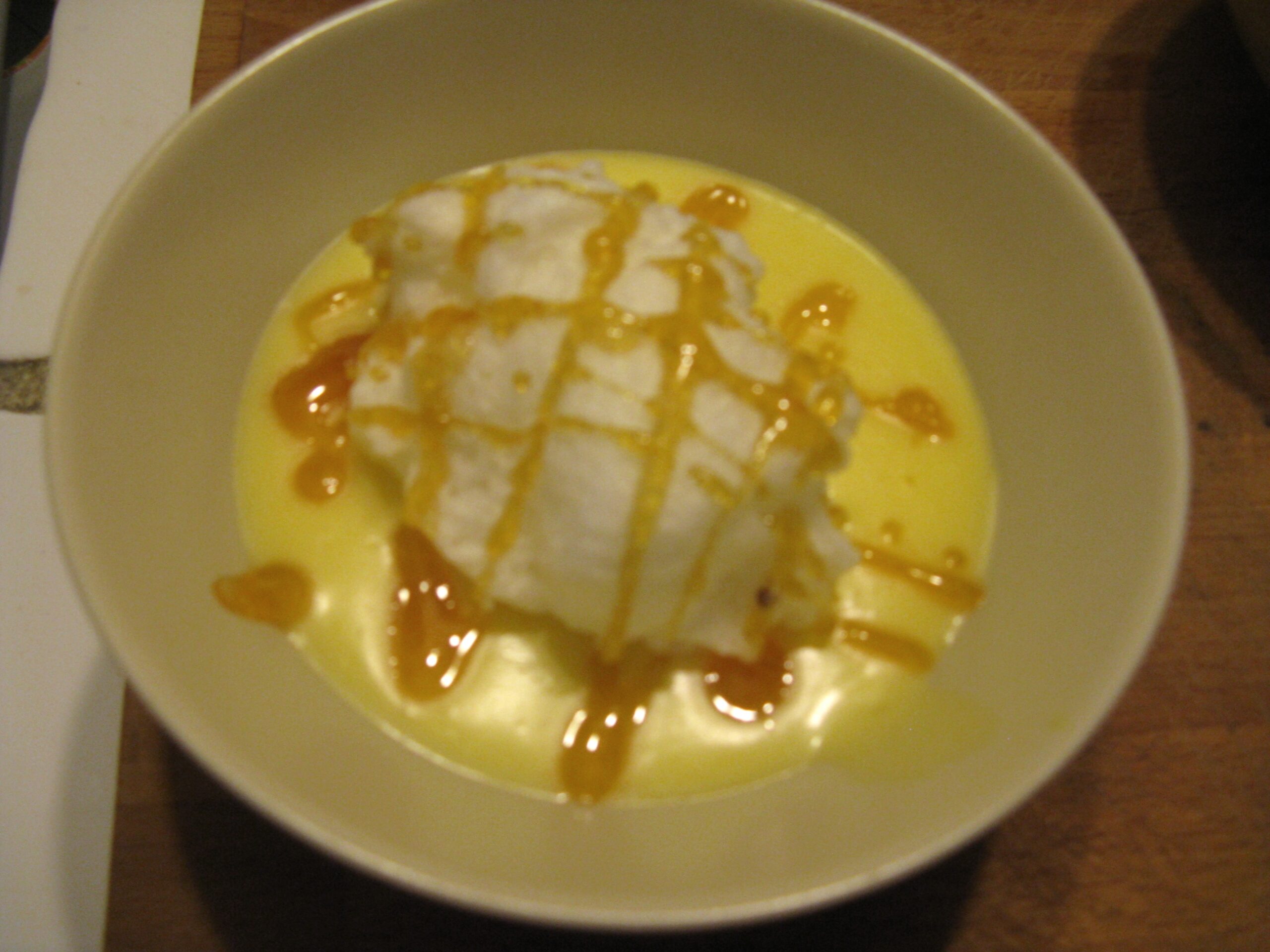
“Snow Balls,” sometimes also called “Gallurese Cream,” are an exclusive dessert from Gallura, still almost unknown in other areas of Sardinia. Almost certainly, it’s a recipe imported from France, passing through nearby Corsica, where they are called “Iles flottantes,” following exchanges between the two islands starting from 1800. They are best enjoyed accompanied by Moscato di Tempio.
Ingredients
eggs, milk, flour, sugar, caramelized sugar, lemon zest
Preparation
The dessert is prepared in three different stages.
- First, you must prepare the snow balls: beat the egg whites of 6 eggs until stiff peaks form, the egg white is called “ciara di l’oa” and set aside the yolks, use a pinch of salt and electric beaters to help. They should be very foamy. Put three fingers of milk in a wide saucepan and warm it. Fill a spoon with beaten egg white to create a sort of ball that you will place in the milk, turning it until it sets. Remove the ball from the milk and put
- After filling the tray with all the balls, prepare a classic custard using the yolks of the 6 eggs. When the custard is ready (it should be quite liquid), pour it directly into the terrine with the snow balls so that they are well surrounded.
- As the final step, melt some sugar in a small pan and when it’s still very liquid, pour it over the balls and let it cool.
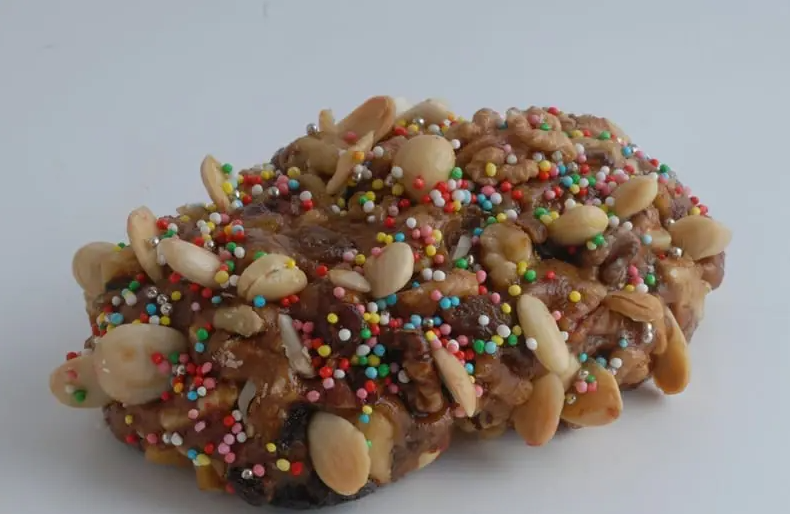
Gateau
Ingredients
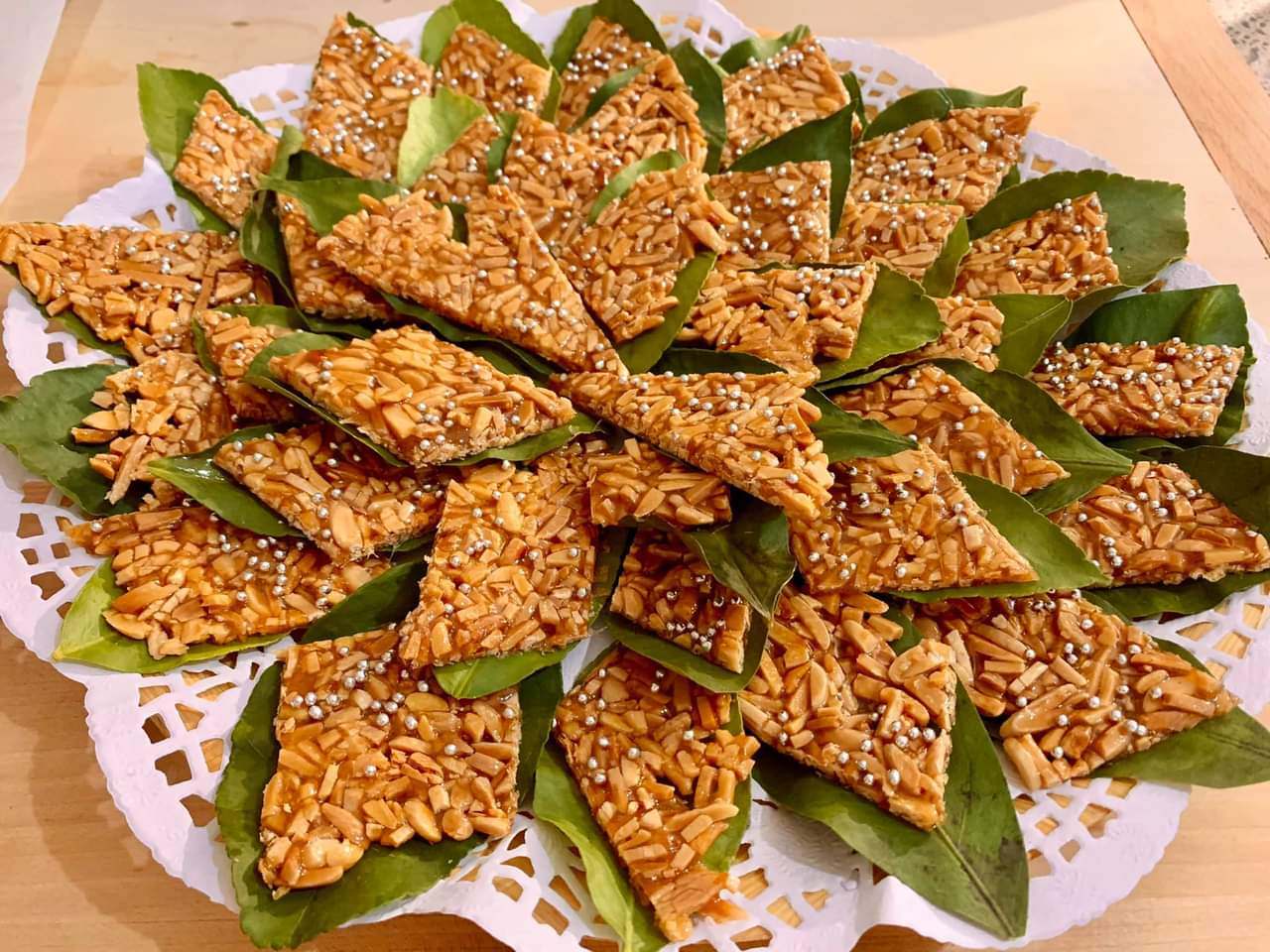
Toasted almonds, honey
Preparation
Peel the almonds, cut into strips, toast them, heat the honey, add the almonds, orange peel cut into small pieces. Arrange on a flat surface and shape with wet hands.
It could be given a round shape with a hole in the middle or it could be cut into pieces. It could be served on an orange peel.
Niuleddi
Ingredients
dry bread, honey
Preparation
Crumble dry bread, mix with honey, spread on a surface, level, and cut into small pieces

 e poi
e poi