


Home » Food Culture
Food Culture
The food culture in Alta Gallura
Among granite landscapes and ancient farmhouses, the cuisine of Alta Gallura tells a story of rural traditions, genuine ingredients, and knowledge passed down through time. Here, food is memory and daily ritual: from carasau bread to rustic soups, from goat cheeses to fragrant wines, each dish expresses the deep connection with the land and seasons. A heritage to discover, taste, and share.
First stop: Viddalba – bread, cheeses, honey
In Viddalba, a small town between Gallura and Anglona, the gastronomic tradition is reflected in the simple and genuine dishes of peasant cuisine. Bread, a central element of the table, is still prepared according to ancient recipes: from soft focaccias to the typical flatbreads, baked in wood-fired ovens and often consumed with fresh and aged cheeses.
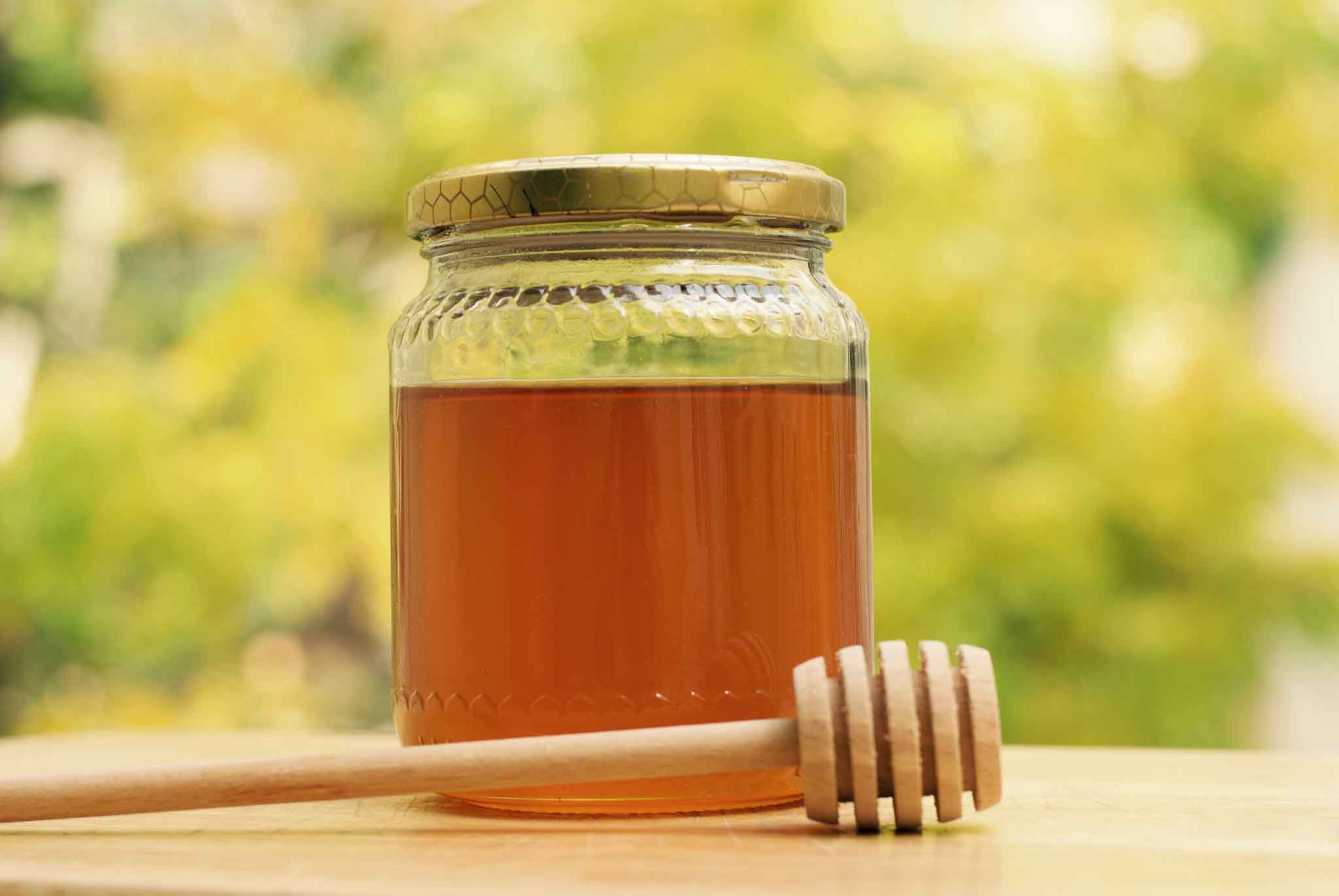
The undisputed protagonist is Sardinian pecorino, produced with local sheep’s milk, but also ricotta, often used for desserts and ravioli. The Mediterranean scrub honey, obtained from wild herbs such as cistus, rosemary, and strawberry tree, represents one of the area’s excellences and pairs perfectly with cheeses.
During festivals and seasonal events, such as the Wine Festival, local flavors accompany tastings, offering a complete sensory experience.
Second stop: Badesi – sea and land on the plate
In Badesi, just steps away from the beaches, the cuisine is nourished by the dual connection with the sea and countryside. Fresh fish dishes – such as shellfish soup or mixed grills – are accompanied by traditional land preparations: local cured meats, legume soups, seasonal vegetables, and the unmissable seadas, fried sweets filled with cheese and served with warm honey.
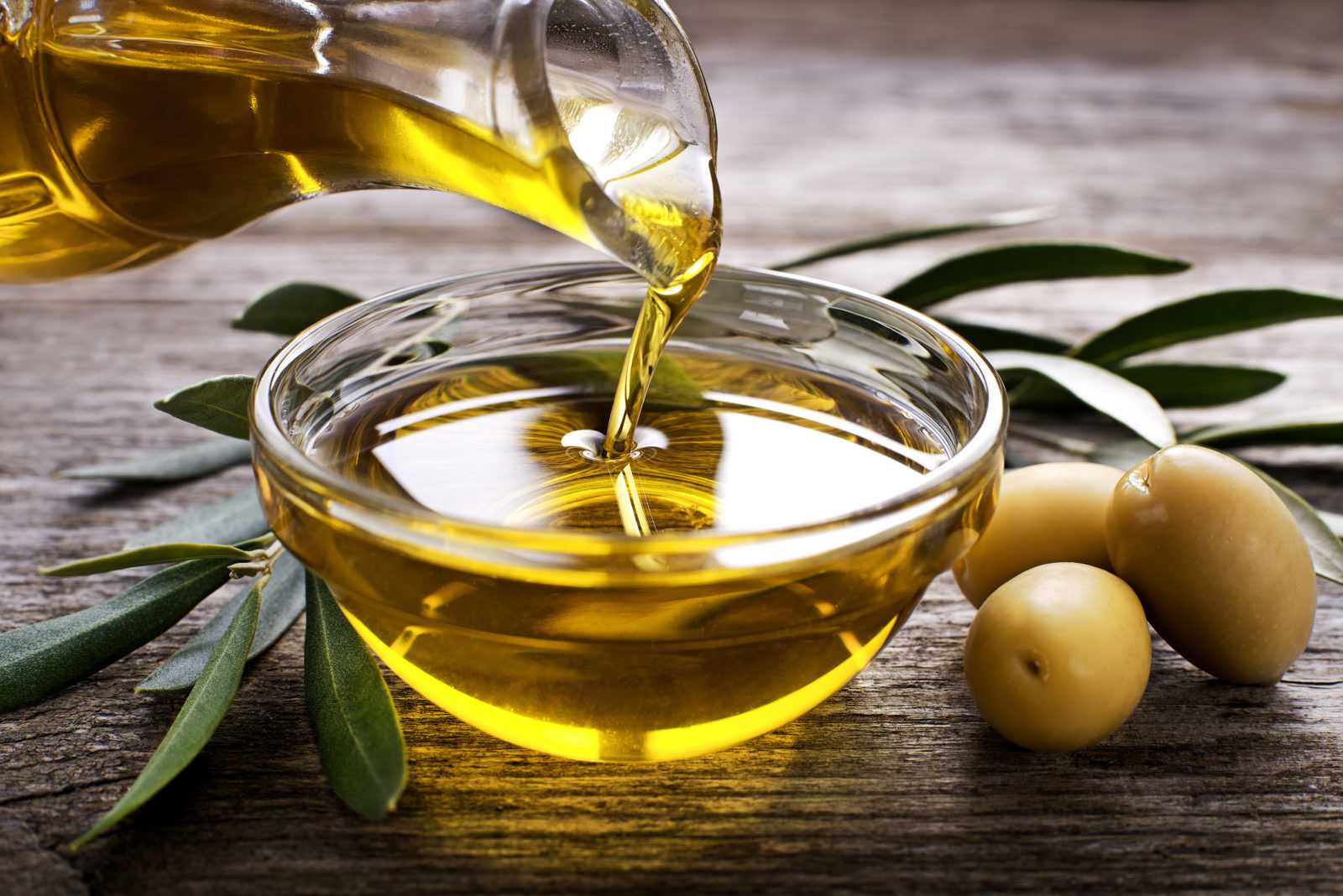
Here, as in many areas of Gallura, artisanal extra virgin olive oil is still produced, ideal for dressing bread and raw vegetables. The gastronomic experience is completed in the restaurants and farmhouses of the area, where recipes are passed down through families and recounted with passion.
Third stop: Aggius – wheat and community
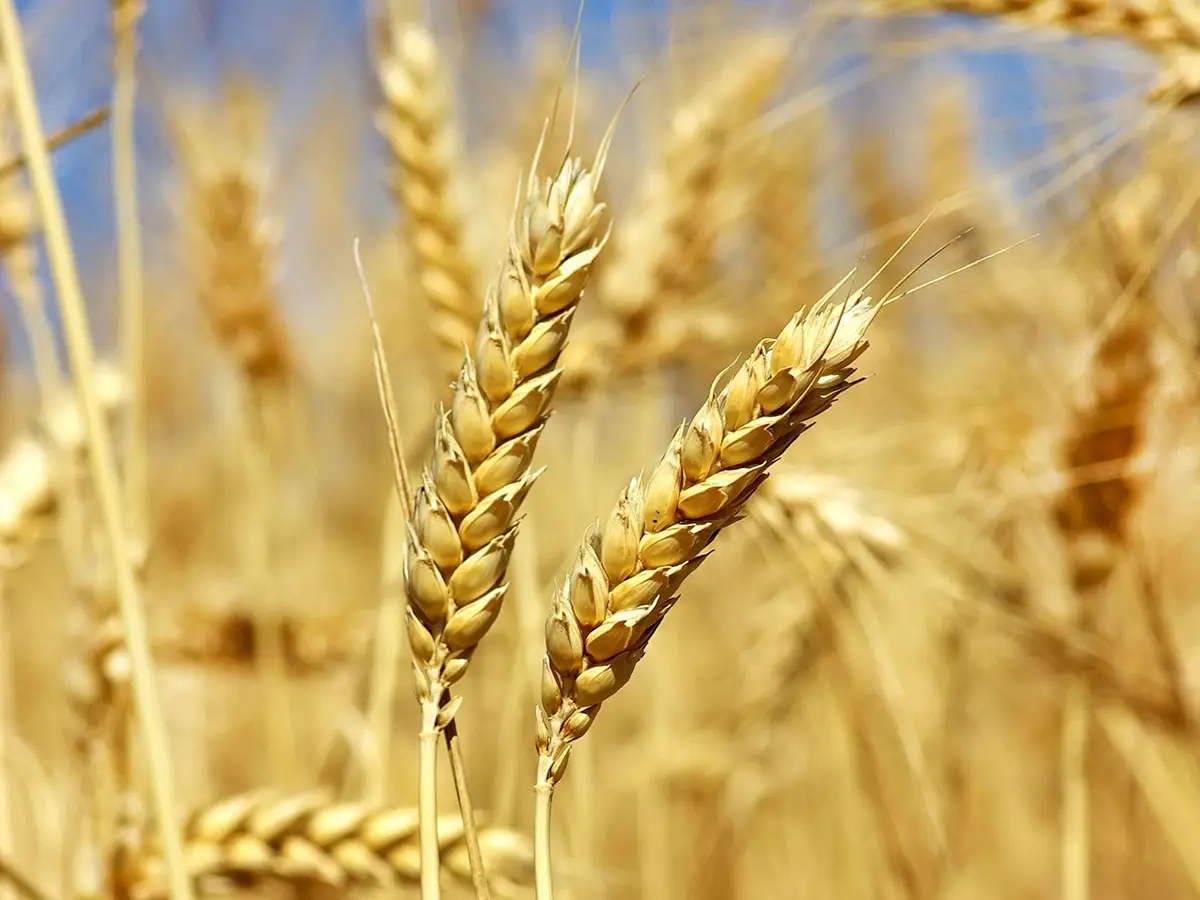
Climbing towards Aggius, among woods and granite rocks, the rural landscape is reflected in a cuisine made of humble but flavorful ingredients. Wheat is the basis of many preparations: from Gallurese soups, a kind of rustic lasagna with stale bread, broth, and cheese, to mazza frissa, a cream obtained from semolina and milk cream.
At the MEOC – Olivia Cannas Ethnographic Museum, it’s possible to discover ancient tools for bread-making and milk processing. In particular, a space is dedicated to traditional cuisine, where everyday objects are found: the loom, kneading troughs, graters, copper cookware. The kitchen, once, was the beating heart of the home, a place of sociality, sharing, and transmission of knowledge.
Fourth stop: Calangianus – preserves, herbs, cork, and aromas
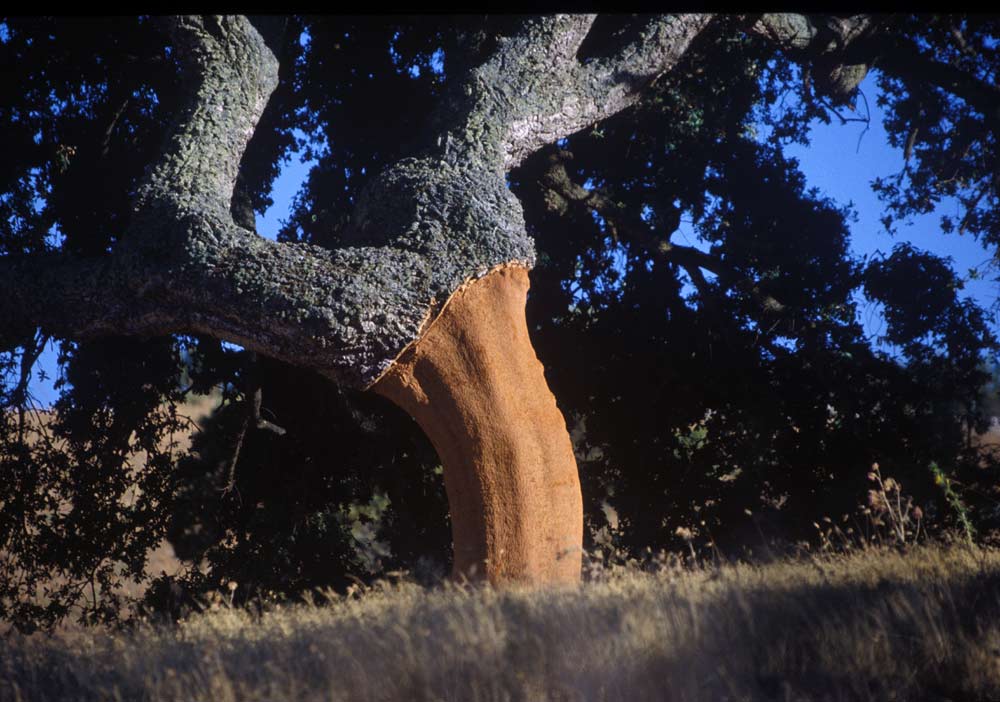
In Calangianus, land of cork and forests, the landscape also influences the cuisine. In this area, rich in aromatic herbs and wild mushrooms, homemade preserves, pickled vegetables, and liqueurs made from myrtle, wild fennel, and strawberry tree are common.
In local markets and fairs, you can also find carasau bread and fresh pasta, such as ravioli filled with cheese and lemon, which pair perfectly with a fresh Vermentino.
The Cork Museum, in addition to telling the story of bark processing, recalls the importance of cork stoppers for wine and food preservation: an essential element that combines nature, technique, and taste.
Fifth stop: Luras – traditions, rituality, and ancient flavors
We conclude the journey in Luras, where every dish tells a story. Traditional Gallurese dishes are robust and intense: bread and cheese soups, lamb stew, semolina gnocchi (ciusoni), often handmade for festive occasions.
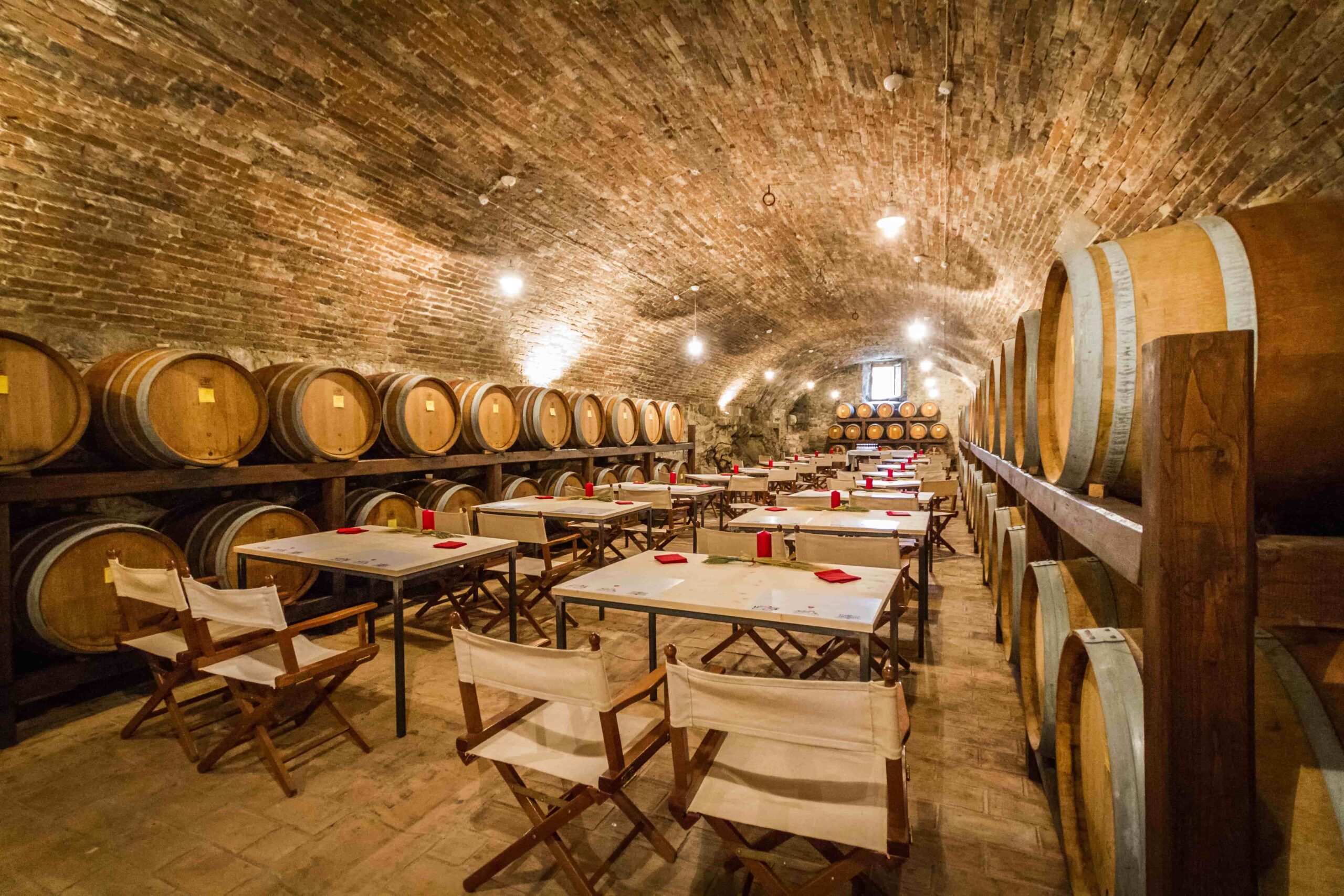
The grape and olive harvests were occasions for collective gatherings, and many recipes originate from these moments. In the Galluras Ethnographic Museum, alongside domestic environments, you find the cellar with tools for wine and food preservation. Here you can still perceive the sense of a slow, shared, ritual cuisine that has withstood the test of time.
A typical traditional sweet is the cucciuledda, a sweet bread spiced with cinnamon and anise, prepared for religious celebrations. In October, during the Nebiolo wine exhibition, it’s possible to taste local dishes paired with the best wines of the area.

 e poi
e poi